2026
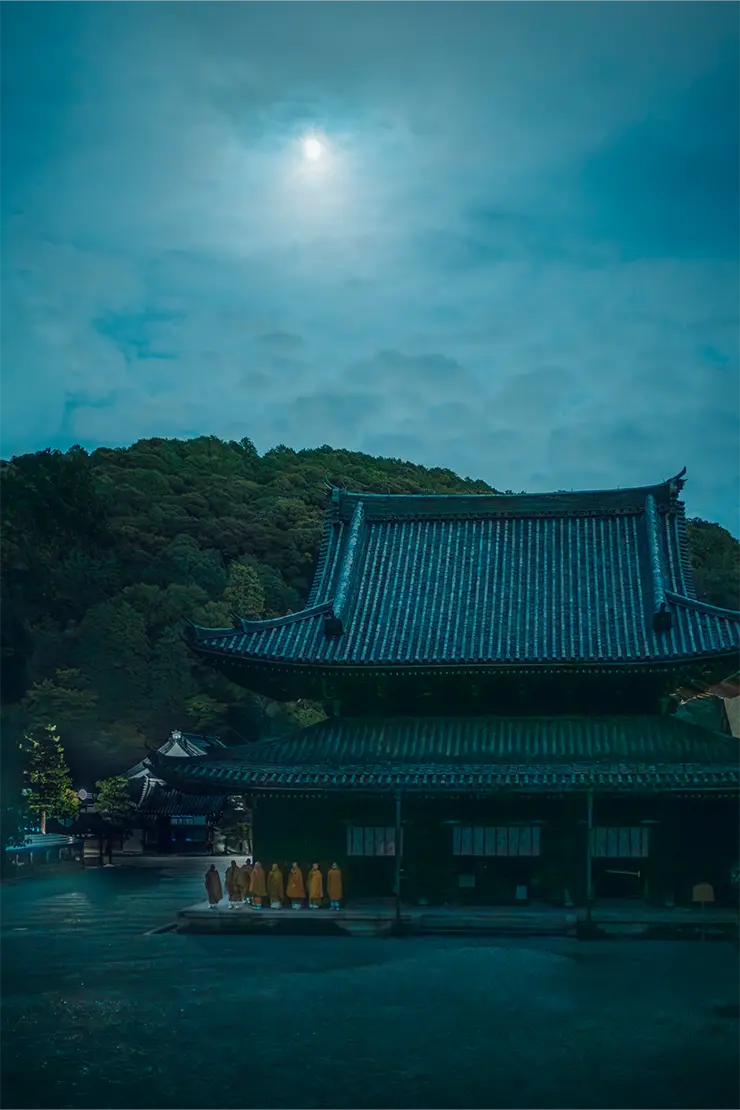
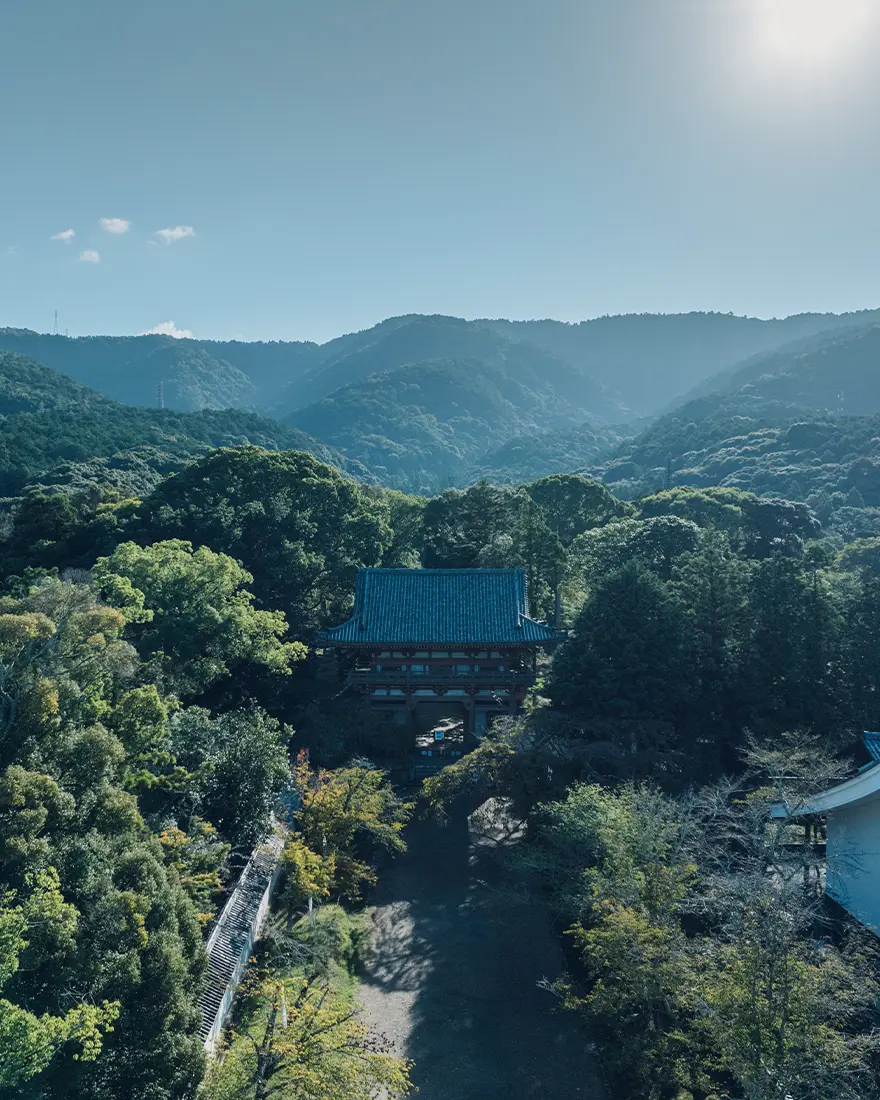
泉涌寺
Sennyū-ji
開催日時
2026年10月24日(土)
放送
Performance
Doors Open
Broadcast

Concept
間
「あいだ」のようにふたつを隔てる境界ではなく、
ふたつの世界が出会い、重なり、響きあうことで、
境界がゆるやかに溶け合うところ。
それが「あわい」です。
Awai
Awai is a concept rooted in the ancient Japanese word.
It is not a boundary that divides,
but a realm where two worlds meet, resonate, and intertwine.
In that meeting place, distinctions soften and boundaries gently fade.
This is Awai.
THEME MUSIC 白月 / Byakugetsu by Marihiko Hara
夜明け前に泉涌寺の泉の音を録音しに来ると、豊穣な虫の声が境内に響いていました。やがてお堂の鐘が鳴り、人々の営みが始まると虫たちはおとなしくなり、かわりに鳥たちが鳴き始めます。
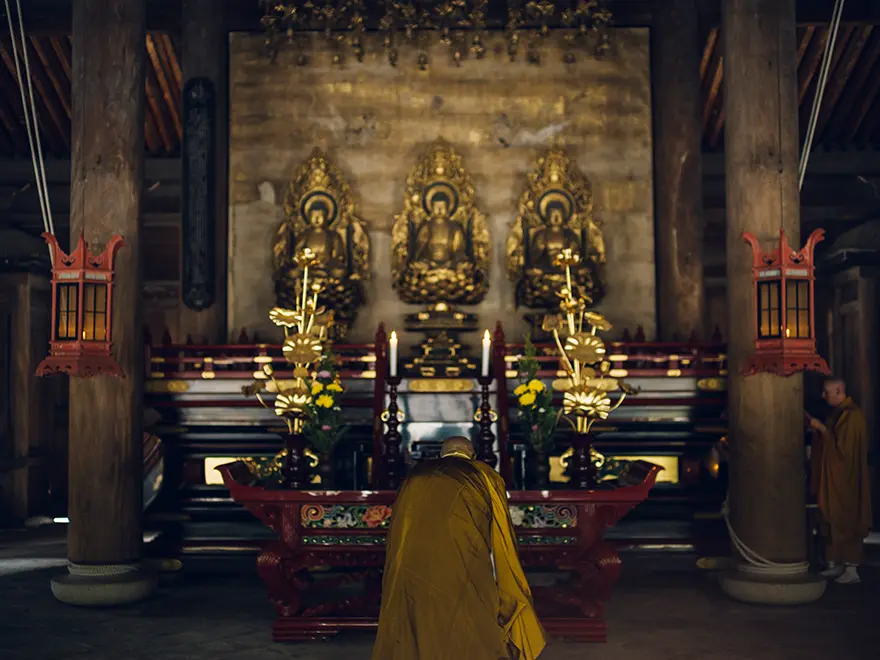
お勤めの際、お堂の中ですきま風のような高い音が鳴っていることに気づきました。どこか遠くの音が聞こえてきたのかと思いましたが、声明が唱えられている間だけ聞こえるのです。おそらくあれは倍音でしょう。
私たちが生活している空間。その頭上で月や星は巡り、少し離れたところで鳥や虫たちは躍動し、足元で植物たちは静かに動いている。そのことに改めて気づきました。
「白月」とは、新月から満月に至る15日間を指すことばです。毎日、少しずつ月が形をかえていく姿を移ろいゆく時間のひとつの象徴としてメインテーマのタイトルにしました。
普段気づくことのない、しかし確かに存在しているものへと意識を向ける、そのような一夜にできたらと思っています。そしてそれが祈りとなって世界中の争いがなくなるように願っています。
音楽監督 原 摩利彦
Before dawn, I came to Sennyu-ji to record the sound of its spring. The temple grounds were filled
with the rich chorus of insects. Before long, the temple bell rang and, as the day’s human activities
began, the insects grew quiet, giving way to the songs of birds.
During the morning prayers, I noticed a high-pitched sound inside the hall, almost like wind slipping
through a narrow gap. At first, I thought it might be a distant sound reaching us from somewhere far
away. Yet it could only be heard while the Buddhist chanting continued. I believe it was an
overtone.
This is the space in which we live our lives. Above us, the moon and stars move across the sky. A
little farther away, birds and insects stir with life. Beneath our feet, plants quietly move. I found
myself newly aware of all that is unfolding around us.
Byakugetsu refers to the fifteen days from the new moon to the full moon. I chose it as the title of
the main theme, taking the moon’s gradual transformationchanging its
shape little by little each dayas a symbol of the passage of
time.
I hope this evening will invite us to turn our attention toward things we do not usually notice, yet
which undeniably exist. And I hope that this awareness may become a prayera prayer for an end to conflict throughout the world.
by Marihiko Hara, Music Director
STORY CHAPTER 1.
泉への導き
山の中で迷子になった少女は、不思議な音を耳にする。その音を頼りに歩くうち、一つの泉にたどり着いた。
泉を覗き込むと、水面には見知らぬ少年の姿。少年に誘われ、少女は好奇心のまま泉の中へ飛び込む。
Drawn to the Spring
Lost in the mountains, a girl hears a mysterious sound. She follows it to a spring and peers into the water. There, she sees the image of a boy she has never met. At his invitation, she leaps into the spring.
OTOBUTAI 2026 メインテーマ「白月」
Marihiko Hara Tokiko Ihara
「オンディーヌ」「夢」を主題とした即興演奏
Thomas Enhco
CHAPTER 2.
境界のない世界
泉の中で少年と出会った少女は、ともに境界のない世界を旅する。そこでは、遠い昔に誰かを想って捧げられた祈りも、まだ見ぬ誰かの未来を願う祈りも、いまそばにいる誰かの幸せを願う祈りも、音となって響いていた。時代や場所を越え、異なる音が出会い、重なり合っていく。
A World without Boundaries
The girl meets the boy within the spring, and together they travel through a world without boundaries. Prayers offered long ago for loved ones, hopes for the future of someone yet to be met, and wishes for the happiness of someone by our side have all become sounds. Across time and place, these sounds meet and mingle, and boundaries begin to dissolve.
「ラプソディ・イン・ブルー」を主題とした即興演奏
Thomas Enhco
キャラバン
Takuya Kuroda Thomas Enhco
Sometime, Somewhere, Somehow
Takuya Kuroda Takahiro Izumikawa
バレエ『海賊』より「洞窟のパ・ド・ドゥ」
Fumi Kaneko Vadim Muntagirov
CHAPTER 3.
夢と現
少女は少年との旅を通して、異なるものが出会い、重なる「あわい」の美しさと、その時がいつか過ぎ去る儚さを知る。やがて少年との別れが訪れ、気がつくと、少女は泉のそばに倒れていた。あの一夜は夢だったのか、それとも現だったのか。
Dream and Life
Through her journey with the boy, the girl discovers the beauty of Awai—the space where different things meet and overlap—and the fragility of a moment that cannot last forever. When the time comes to part, she finds herself lying beside the spring. Was her journey through the spring a dream, or had it truly happened?
You Go Your Way
CHEMISTRY Marihiko Hara
PIECES OF A DREAM
CHEMISTRY Marihiko Hara Takuya Kuroda
太陽と子どもたち
Marihiko Hara
CHAPTER 4.
波紋
大人になった少女は、あの一夜を振り返る。この世のすべては「あわい」にあり、生まれ、出会い、重なり、離れ、やがて消えていく。いま生きる「現」も、過ぎてしまえば一瞬の「夢」のようなもの。
それでも、誰かを想い、願うたびに祈りは生まれる。その祈りは声となり、音となり、やがて音楽となって、時代を越え、また別の祈りと重なりながら響き続けていく。
夢と現。そのあわいに涌く、泉がありました。
境界線が、とけてゆく。
このあわいに重なる私たちの祈りが、広がっていく。
まるで、泉の波紋のように。
Ripples
Years later, the girl looks back on that night. All things exist in Awai: they come into being,
meet, overlap, part, and eventually fade. Even the life we live now may seem like a fleeting dream
once it has passed.
Yet each time we wish for someone’s happiness, a prayer is born. Those prayers become voices, then
sound, and eventually music. Across time, they meet other prayers and continue to resonate.
Dream and life.
From the in-between, a spring issues forth.
Boundaries begin to dissolve.
Our prayers meet in this in-between and spread outward,
like ripples across the spring.
OTOBUTAI 2026 メインテーマ「白月」
Marihiko Hara
泉涌寺 声明・読経
Monks
Boléro Remixed 2026
Thomas Enhco Takuya Kuroda Fumi Kaneko Vadim Muntagirov Marihiko Hara


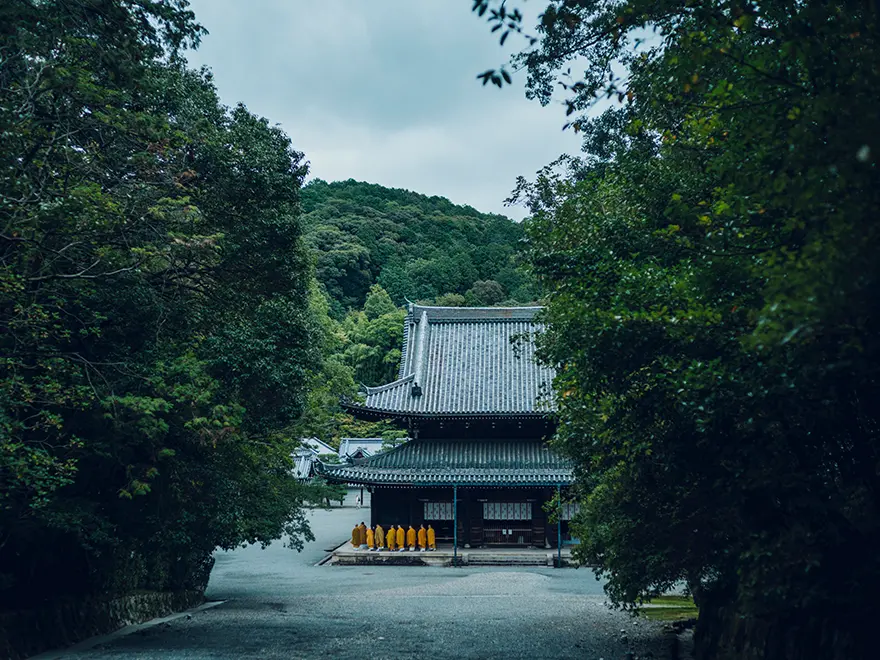
ABOUT“Sennyū-ji”


Artists
-
金子 扶生 Fumi Kaneko
Ballet Dancer

英国ロイヤル・バレエ団プリンシパル。2010/11シーズンに入団し、2012年ファースト・アーティスト、2013年ソリスト、2018年ファースト・ソリストを経て2021年にプリンシパル昇格。大阪の地主薫バレエ学校で学び、2008年ヴァルナ国際金賞、2009年モスクワ国際銀賞、2010年全米国際銀賞を受賞。同年、地主薫バレエ団へ入団しクララやキトリを演じた。ロイヤル・バレエ団では『マノン』『白鳥の湖』オデット/オディール、『ロミオとジュリエット』ジュリエット、『シンデレラ』などを踊る。『ザ・ダンテ・プロジェクト』などの新作で初演キャストも務める。2023年批評家協会ナショナル・ダンス・アワード最優秀女性ダンサー賞を受賞。
Fumi Kaneko is a Principal of The Royal Ballet. She joined the Company during the 2010/11 Season and was promoted to First Artist in 2012, Soloist in 2013, First Soloist in 2018, and Principal, 2021. Kaneko trained at the Jinushi Kaoru Ballet School, Osaka. She won gold medal at the Varna International Ballet Competition, 2008, and silver medals at the Moscow International Ballet Competition, 2009, and the USA International Ballet Competition, 2010. That year she joined the Jinushi Kaoru Ballet Company, where her roles included Clara and the Sugar Plum Fairy (The Nutcracker) and Kitri (Don Quixote). Kaneko’s repertory with The Royal Ballet includes Manon, Cinderella, Odette/Odile (Swan Lake), Juliet, Kitri, Tatiana, Sugar Plum Fairy, Princess Aurora, Lilac Fairy (The Sleeping Beauty), Myrtha (Giselle), and Hermione (The Winter's Tale). She created roles including Jessica Lang's Twinkle, Untitled, 2023, The Dante Project and Prima. Awards include Critics' Circle National Dance Awards 2023 Best Female Dancer.
-
ワディム・ムンタギロフ Vadim Muntagirov
Ballet Dancer
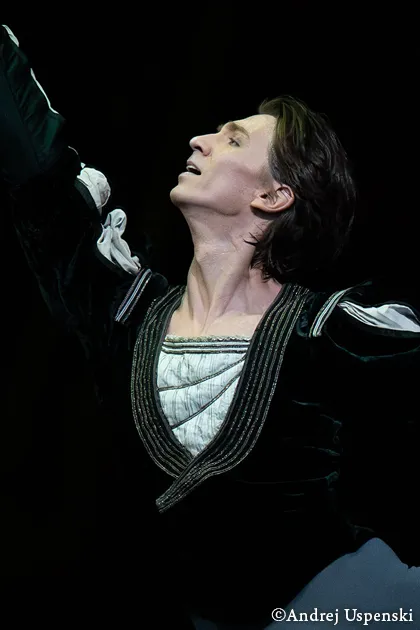
英国ロイヤル・バレエ団プリンシパル。同アッパー・スクールで学び、イングリッシュ・ナショナル・バレエ(ENB)から2014年3月にプリンシパルとして入団。主な役柄に『ドン・キホーテ』バジリオ、『ジゼル』アルブレヒト、『白鳥の湖』ジークフリート、『ロミオとジュリエット』ロミオなどがある。ダンサーの両親のもとチェリャビンスクに生まれ、ペルミ・バレエ学校を経てロイヤル・アッパー・スクールへ。2009年にENBに入団し、2012年にリード・プリンシパルに昇格。批評家協会ナショナル・ダンス・アワード最優秀男性ダンサー賞(2015、2018年)、ブノワ賞(2013、2018年)などを受賞。パリ・オペラ座や新国立劇場バレエ団等に客演。2023年6月に自伝を出版した。
Vadim Muntagirov is a Principal of The Royal Ballet. He trained at The Royal Ballet Upper School and joined the Company from English National Ballet as a Principal in March 2014. His roles with the Company include Basilio (Don Quixote), Albrecht (Giselle), Prince Siegfried (Swan Lake), and Romeo (Romeo and Juliet). Muntagirov was born in Chelyabinsk, the son of two dancers. He trained at Perm Ballet School before moving to The Royal Ballet Upper School. He graduated into English National Ballet in 2009, promoted to lead principal in 2012. His roles there included Conrad (Le Corsaire) and Albrecht (Giselle). Muntagirov’s awards include Best Male Dancer at the Critics' Circle National Dance Awards (2015, 2018) and the Benois de la danse (2013, 2018). As a guest artist, he has danced with Paris Opera Ballet, Mariinsky, American Ballet Theatre, and National Ballet of Japan. His autobiography From Small Steps to Big Leaps was published in June 2023.
-
黒田 卓也 Takuya Kuroda
Jazz Trumpet
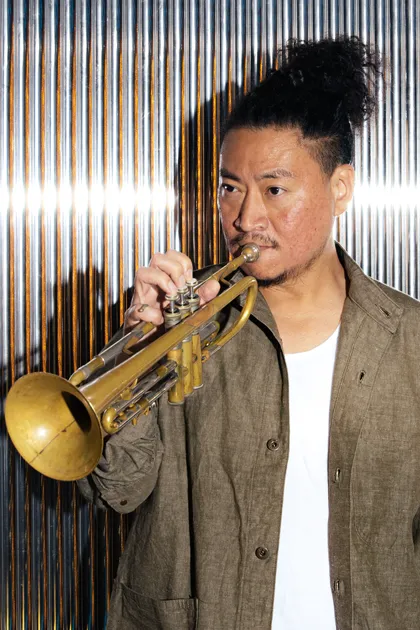
1980年、兵庫県生まれ。12歳からトランペットを始め、16歳から関西のジャズクラブで演奏を始める。2003年に渡米し、ニュースクール大学ジャズ科に進学。卒業後もニューヨークを拠点に様々なジャンルで活動。2011年、ホセ・ジェイムスのバンドメンバーとして世界ツアーに同行、ホーンアレンジも担当。2014年には名門USブルーノートと日本人初の契約を果たしメジャーデビュー。2016年から報道ステーションのテーマ曲を手がけ話題に。2020年、アルバム“Fly Moon Die Soon”を発表し高く評価される。2022年以降、世界的なジャズフェスに出演。2025年には8枚目のアルバム“EVERYDAY”を発表し世界中でソールドアウトを連発。DJ Premierなど様々なアーティストとのコラボを展開している。
Born in Hyogo, Japan, in 1980. He started playing the trumpet at 12 and performing in jazz clubs from 16. In 2003, he moved to the US and entered The New School for Jazz and Contemporary Music. Based in New York, he has been active in various genres. In 2011, he joined Jose James's band for a world tour and arranged horns for his 2013 album. In 2014, he became the first Japanese artist signed to US Blue Note, releasing his major debut Rising Son, and Zigzagger in 2016, the same year he composed the theme for Japan's "Hodo Station." In 2020, he released his 6th album Fly Moon Die Soon, highly acclaimed by Pitchfork. After releasing Midnight Crisp in 2022, he performed at major festivals including Montreal, Newport, and Montreux. In 2025, he released his 8th album EVERYDAY, sparking sold-out shows worldwide. He also toured with DJ Premier & The Badder Band and collaborates with artists like Akoya Afrobeat and Antibalas.
-
トーマス・エンコ Thomas Enhco
Piano
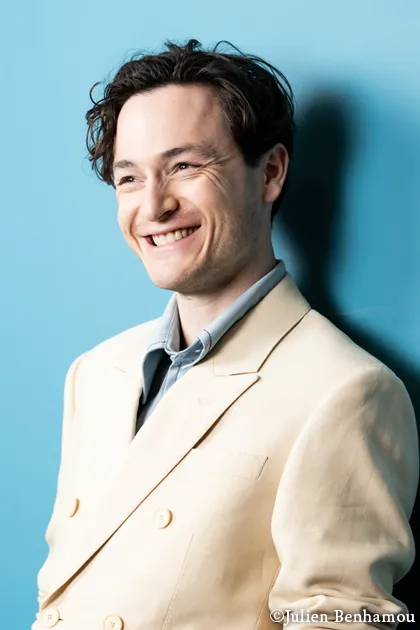
1988年パリ生まれ。クラシックとジャズを自在に行き来するフランスのピアニスト、作曲家。ディディエ・ロックウッド音楽センターおよびパリ国立高等音楽院で学ぶ。2006年のデビュー作『Esquisse』や最新盤の『Mozart Paradox』などのアルバムはいずれも絶賛されている。ジャンゴ・ドール賞、ヴィクトワール・デュ・ジャズ賞、SACEMジャズ大賞などを受賞。ザルツブルク・モーツァルテウムやモントルー・ジャズ・フェスティバルなど世界各地の主要舞台に出演、チューリヒ・トーンハレ管弦楽団やボルドー国立管弦楽団などとも共演。近年はキース・ジャレットの伝説的《ケルン・コンサート》を再創造したプロジェクトでヨーロッパ各地の高い評価を集めている。カプソン兄弟やナタリー・デセイら著名アーティストとも共演。
Thomas Enhco (b. 1988, Paris) is a French pianist and composer whose unique career bridges the worlds of classical music and jazz. A graduate of the Centre des Musiques Didier Lockwood and the Paris Conservatoire (CNSM), he gained international recognition with his debut album Esquisse (2006), followed by acclaimed recordings including Mozart Paradox (2025). He is the recipient of numerous awards, including the Django d'Or and Victoires du Jazz. Equally at home in concert halls and jazz festivals, he has appeared worldwide at venues including the Salzburg Mozarteum and the Montreux Jazz Festival. As concerto soloist, he has performed with orchestras such as the Tonhalle-Orchester Zürich and Orchestre National Bordeaux Aquitaine. A prolific composer, Enhco has written concertos, chamber music, and film scores. In recent seasons, he has enjoyed notable success with his acclaimed re-creation of Keith Jarrett's legendary Köln Concert across Europe. His artistic versatility has led to collaborations with distinguished artists including Renaud and Gautier Capuçon, Natalie Dessay, and Ibrahim Maalouf.
-
CHEMISTRY
Singer

堂珍嘉邦、川畑要によるヴォーカルデュオ。
テレビ番組「ASAYAN」の男子ボーカリストオーディションで約2万人の候補者の中から選ばれ、ヴォーカルデュオ“CHEMISTRY”として、シングル「PIECES OF A DREAM」で2001年3月7日デビュー。
2012年4月に活動休止を発表するが、2017年3月に約5年ぶりに活動を再開。
2026年を25周年イヤーとし今年第二弾となる全国ホールツアーを開催し、2027年3月7日にはCHEMISTRY 25周年イヤーを締めくくるフィナーレライブ「ONE」を東京ガーデンシアターにて開催する。CHEMISTRY is a Japanese vocal duo formed by Yoshikuni Dochin and Kaname Kawabata. Selected from approximately 20,000 applicants in the male vocalist audition for the television programme ASAYAN, they made their official debut as CHEMISTRY on March 7, 2001, with the hit single PIECES OF A DREAM. The duo announced a hiatus in April 2012 before successfully resuming group activities in March 2017 following a nearly five-year break. Celebrating their 25th anniversary in 2026, CHEMISTRY is embarking on their second nationwide theatre tour of the year. Their milestone 25th anniversary celebrations will culminate in the grand finale concert titled ONE at Tokyo Garden Theatre on March 7, 2027.
-
のん NON
Actor / 語り部

俳優・アーティスト。音楽、映画製作、アートなど幅広いジャンルで活動する。2016年公開の劇場アニメ『この世界の片隅に』で第38回ヨコハマ映画祭審査員特別賞を受賞。2022年には主演映画『さかなのこ』で、第46回日本アカデミー賞「優秀主演女優賞」を受賞した。近年の主な出演作品にドラマ「幸せカナコの殺し屋生活」、「MISS KING / ミス・キング」など。2026年7月にTVドラマ「Tokyo middle 30」に出演、8月には安田章大とW主演を務める映画『平行と垂直』が公開、9月からはドラマ「幸せカナコの殺し屋生活2」が配信される。音楽活動では、10月18日より全国ツアー『のん自由(10)ツアー2026』を開催予定。俳優・音楽・映画・アートといった枠にとらわれず、自由な表現に挑み続けてきた創作活動が評価され、2024年に第16回伊丹十三賞を受賞した。
NON is an actor and artist active across a wide range of fields, including music, filmmaking, and art. In 2016, she won the Special Jury Prize at the 38th Yokohama Film Festival for the animated feature In This Corner of the World. In 2022, she received Outstanding Performance by an Actress in a Leading Role at the 46th Japan Academy Film Prizes for The Fish Tale. Her recent works include drama series Happy Kanako's Killer Life and MISS KING. In July 2026, she appears in the drama Tokyo middle 30, followed by the co-starring film Lives at Right Angles with Shota Yasuda in August, and Happy Kanako's Killer Life 2 streaming in September. In music, she kicks off her nationwide tour NON Jiyu (10) Tour 2026 on October 18. Recognized for her boundary-pushing creative endeavors across acting, music, film, and art, she was awarded the 16th Itami Juzo Award in 2024.
-
原 摩利彦 Marihiko Hara
Music Director
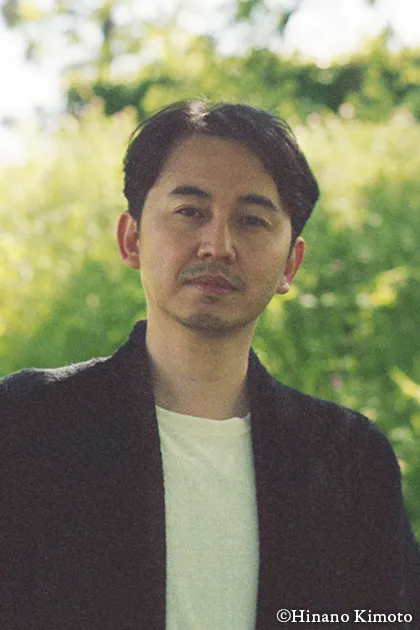
京都大学教育学部卒業。静けさの中の強さを軸にピアノを 中心とした室内楽やフィールドレコーディング、電子音を用いた音響作品を制作する。アルバム「PASSION』(2020)をリリース。アーティストグループ「ダムタイプ」へ参加。野田秀樹、ダミアン・ジャレ、名和晃平、森山未来、 田中泯などの舞台作品、映画「国宝」「流浪の月」(監督:李相日)、ゆずとの共作「幾重」、東京2020オリンピック開会式追悼パート、NHK「日曜美術館」新テーマソング(坂本美雨と共作)、羽生結弦「Prequel」など、多岐にわたって音楽を手がけている。令和3年度京都府文化賞奨励賞受賞。令和7年度第67回日本レコード大賞特別賞を受賞。第80回毎日映画コンクール音楽賞受賞。第49回日本アカデミ一賞にて、最優秀音楽賞と主題歌賞をW受賞。
Marihiko Hara is a Kyoto-based composer and sound artist whose work explores the boundaries between sound, silence, memory, and space. Working across film, contemporary dance, theatre, and installation, he seamlessly combines field recordings, acoustic instruments, and electronics to create immersive sonic environments.
His evocative score and songwriting for director Lee Sang-il's kabuki epic Kokuho (National Treasure)—which was selected for the Directors' Fortnight at the Cannes Film Festival—earned him both the Best Music Award and the Best Theme Song Award at the 49th Japan Academy Film Prize in 2026.Marihiko Hara Ensemble
井原季子(鳳笙) / 岩崎和音(サントゥール) / 蔡怜雄(トンバク) / 須原杏(Violin I) / 河邊佑里(Violin II) / 世川すみれ(Viola) / 多井智紀(Cello, Viola da Gamba)